

Introduction: Dawn over “Wind Bay”
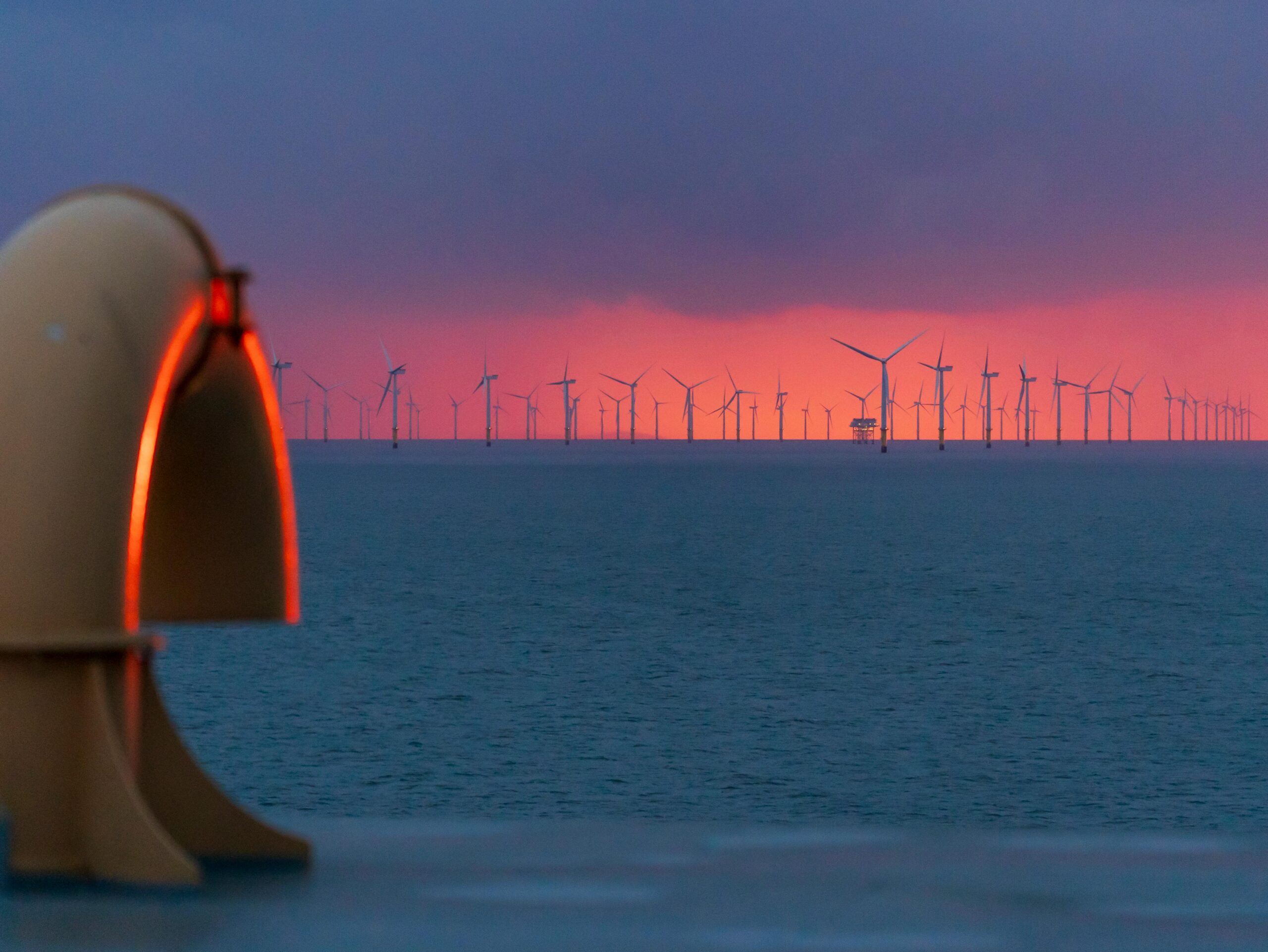
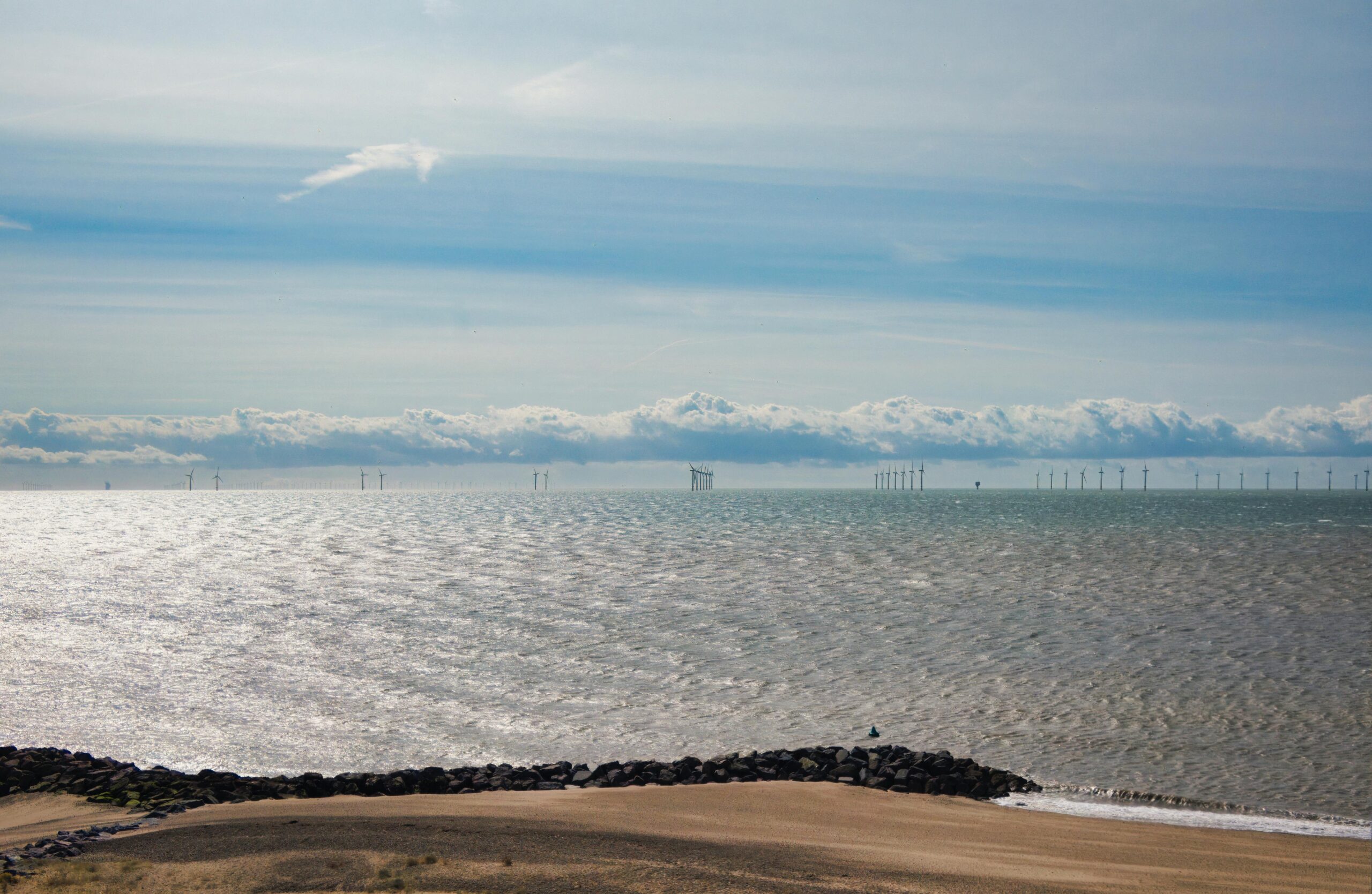
In 2050, the morning sun gilded the enormous turbine blades silently turning in “Wind Bay” – the affectionate name locals gave to the cluster of offshore wind farms stretching from Quang Ninh to Ha Tinh. Gone was the clamor of coal and gas; only the steady whoosh of the “sea dragons” diligently harvesting energy from the strong southeasterly winds remained. Vietnam, once reliant on fossil fuels, had transformed into a clean energy powerhouse thanks to strategic vision and significant investment in offshore wind.
Part 1: The Energy Revolution and the Transformation of the Nation’s Landscape
Three decades prior, the idea of colossal offshore wind farms was still a distant dream. But with the determination to escape environmental pollution and ensure energy security, the Vietnamese government implemented a series of groundbreaking policies, attracting both domestic and international investment. Leading global technology corporations flocked to Vietnam, bringing with them the most advanced solutions in turbines, transmission systems, and operational management.
Now, towering masts standing tall in the open sea are not only symbols of sustainable development but also the lifeblood of millions of people. Coastal industrial zones are supplied with clean and stable energy, attracting high-tech industries and creating countless jobs. Major cities no longer worry about rolling blackouts, and the air has become cleaner than ever before. Public transportation systems run entirely on electricity, from high-speed buses to modern elevated trains.
Part 2: “Wind Bay” – A New Economic and Technological Hub
“Wind Bay” is more than just a power generation site; it has become a vibrant economic and technological hub. Research and development centers for renewable energy have sprung up like mushrooms after rain, attracting leading scientists and engineers from home and abroad. Logistics, maintenance, and equipment supply companies for the offshore wind industry have created a vast value chain.
Coastal communities have also directly benefited from this development. Fishermen no longer fret about depleted seafood resources due to pollution. Instead, they participate in marine ecotourism activities, exploring the majestic beauty of the wind farms. High-end resorts have emerged, attracting tourists from all over the world to admire the artificial wonders in the open sea.
Part 3: Challenges and Future Vision
However, the journey to conquer offshore wind energy has not been without its challenges. Maintaining these colossal structures in the harsh marine environment requires advanced technology and specialized skills. Issues of maritime safety and marine environmental protection remain top priorities.
But with a spirit of innovation and unwavering will, the Vietnamese people have overcome every obstacle step by step. Automation and robotics solutions are widely applied in operation and maintenance. Advanced environmental monitoring systems continuously track and assess the impact of wind farms.
Looking ahead, “Wind Bay” will not only be a source of electricity. Scientists are exploring other potential applications of offshore wind energy, such as green hydrogen production and large-scale seawater desalination. Vietnam is aiming to become a leading renewable energy center in the region, contributing to global efforts against climate change.
Conclusion: The Sea Wind Tells a Tale of a Green and Prosperous Vietnam
In 2050, every time the sea breeze blows inland, carrying the breath of the ocean and clean energy, the Vietnamese people feel proud of what they have achieved. The story of “Wind Bay” is not just a tale of a successful energy revolution but also a story of perseverance, innovation, and the aspiration of a nation to rise. The “sea dragons” continue to turn their blades tirelessly, illuminating a green and prosperous future for Vietnam.